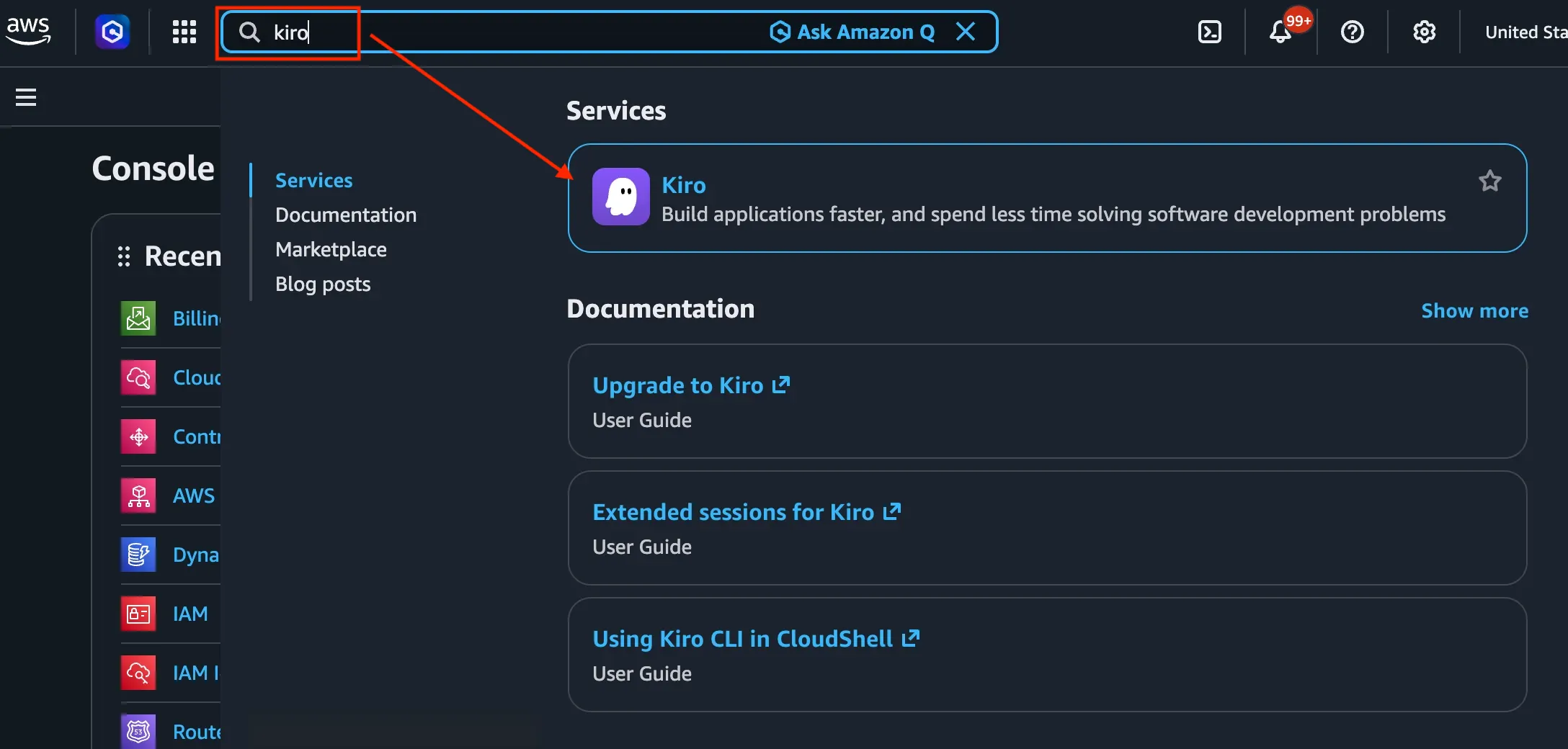
Kiro: A 101 Guide to Developing with Agents Without Losing Control
Introduction to Kiro fundamentals: Vibe, Specs, Steering, Hooks, MCP, Skills, and Powers.

Introduction to Kiro fundamentals: Vibe, Specs, Steering, Hooks, MCP, Skills, and Powers.

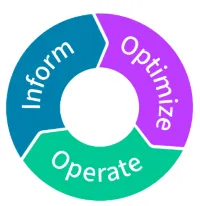
FinOps applied to AWS: what it is, how it fits into AWS, the services involved, and the serverless tool I built to help me.

I passed the AWS Certified Security Specialty (SCS-C03) and share how I renewed it: what changed (AI/GenAI), what I reviewed in the AWS Console, and why IAM is still the key to this exam.

Lessons learned after six months of AI-assisted coding: what didn’t work, what worked, and the workflow that kept me safe (especially on AWS).

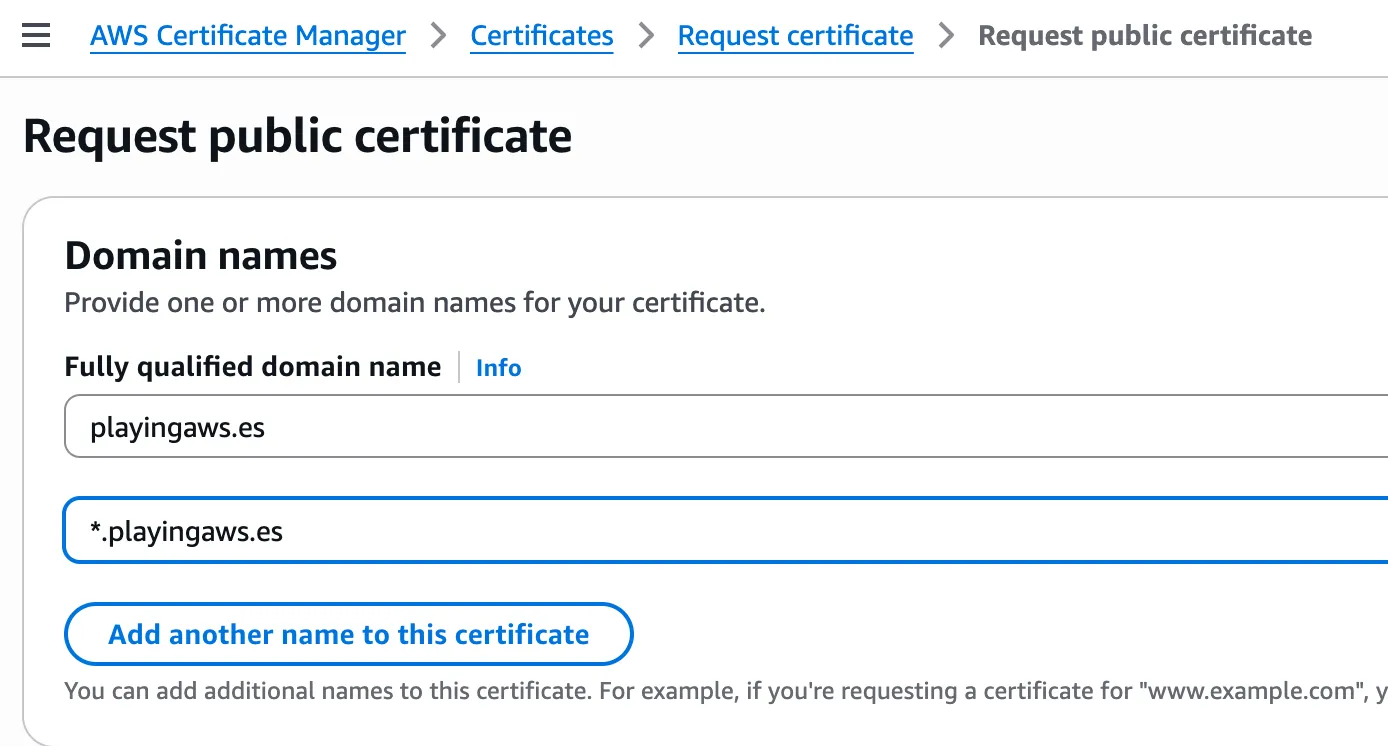
Learn how to buy a domain anywhere and manage it in AWS with Route 53 step by step.

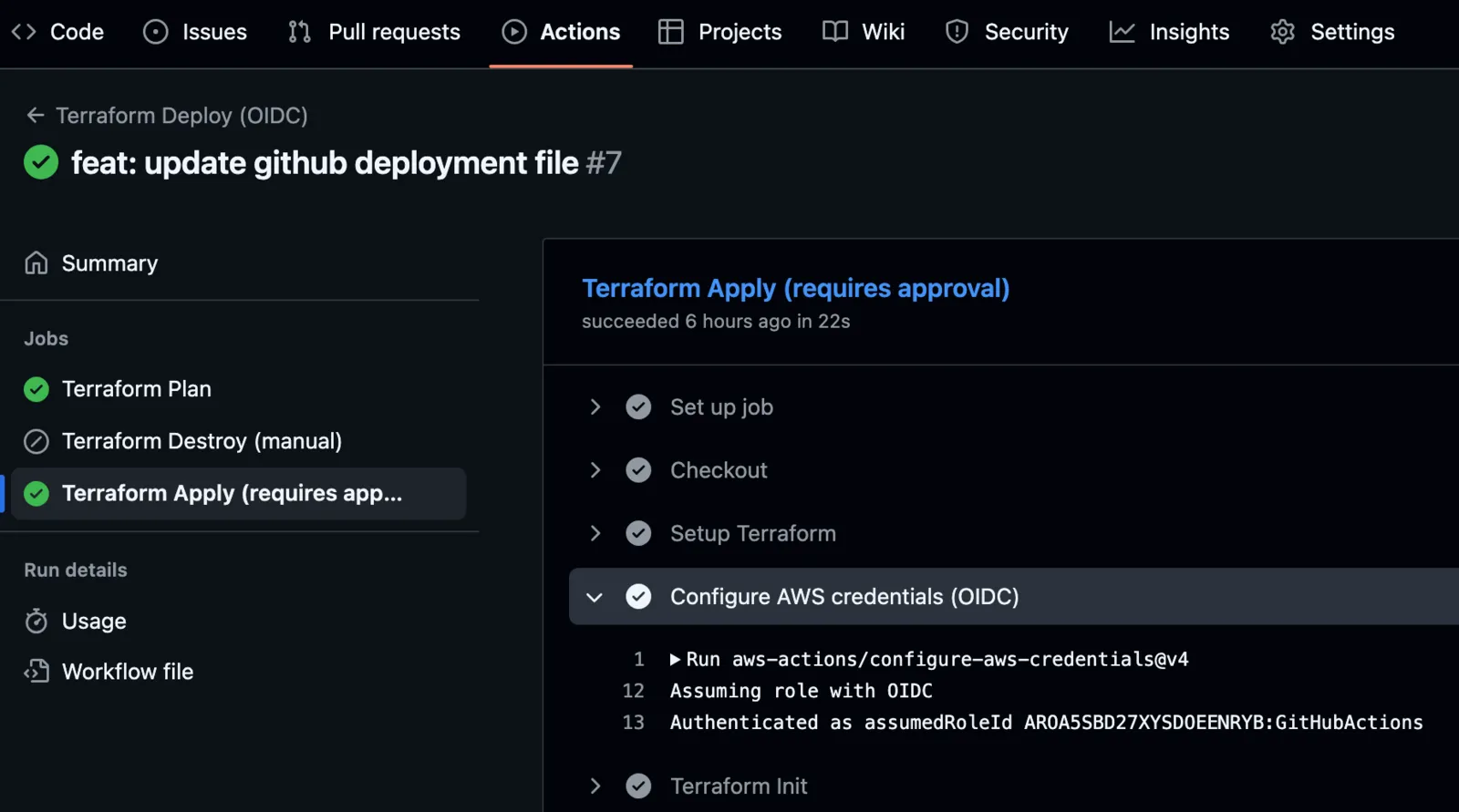
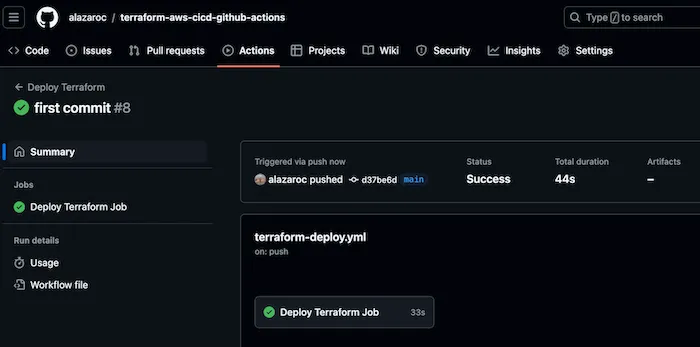
Why and how to migrate from Access Keys in GitHub Secrets to OIDC to deploy infrastructure with Terraform and GitHub Actions on AWS.

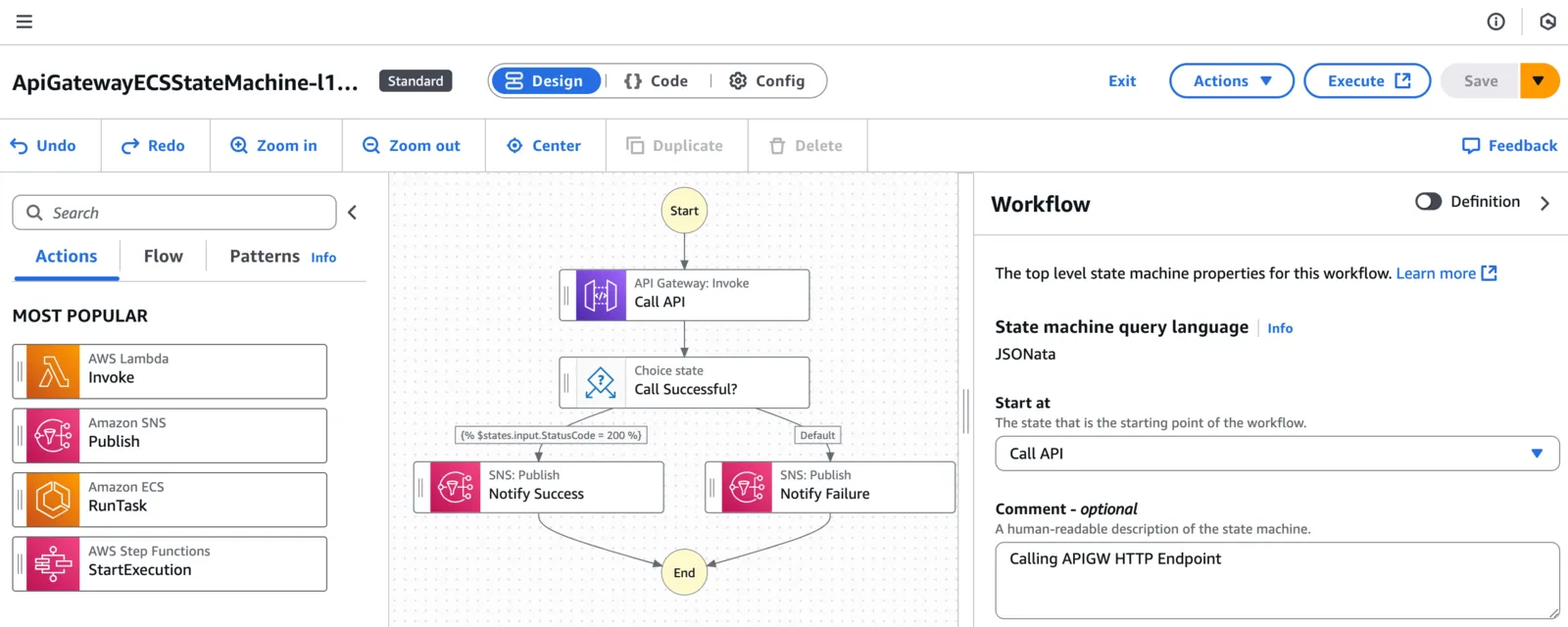
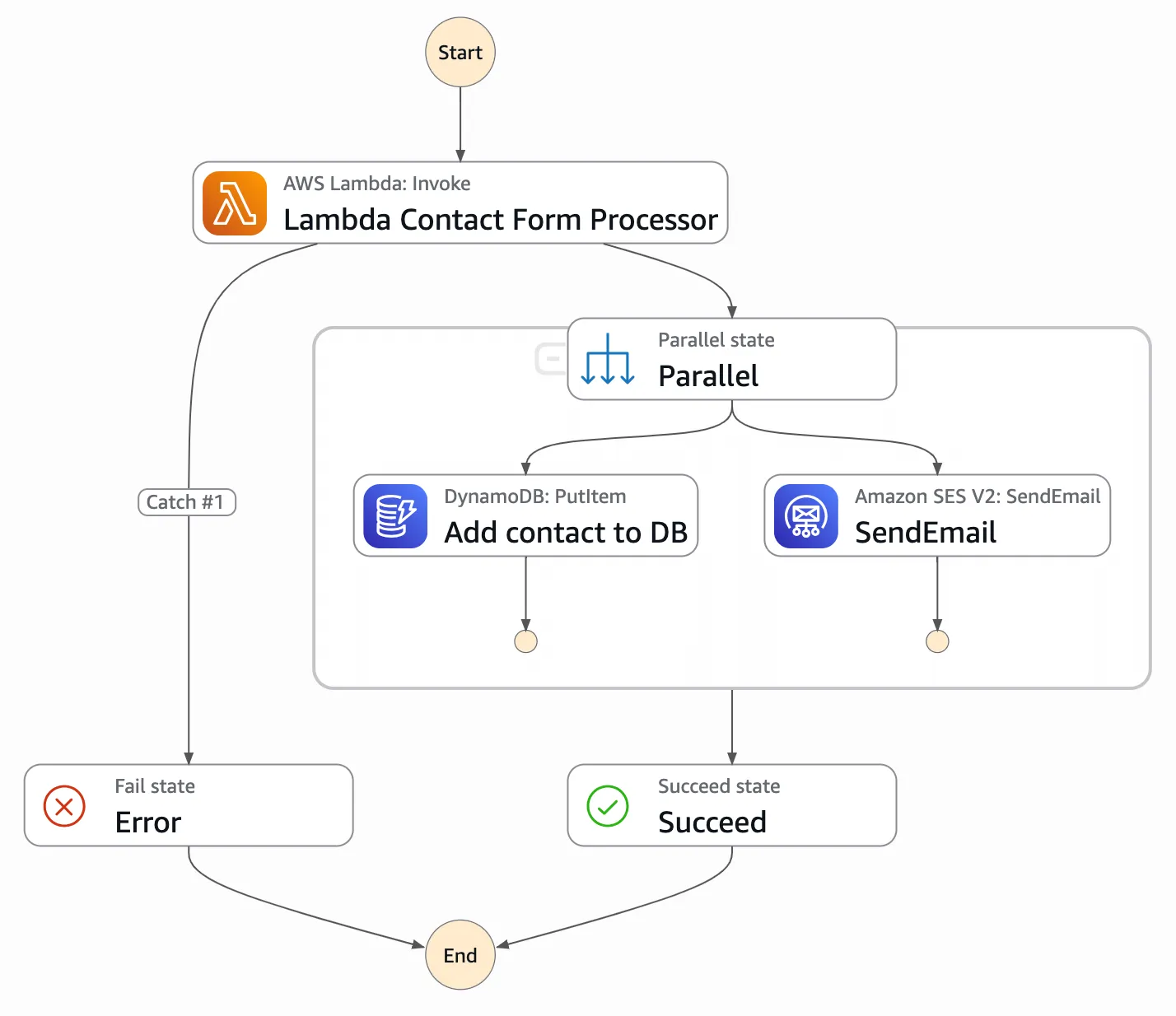
Discover how AWS Step Functions can transform your serverless architecture. This article walks you through building workflows, deciding when to migrate from Lambda, exploring common patterns, and sharing practical best practices to simplify and maintain your applications.

Discover how AWS Step Functions can help you orchestrate serverless workflows effortlessly. In this article, I'll walk you through the basics, real-world examples, and why Step Functions might just be the missing piece in your serverless architecture.

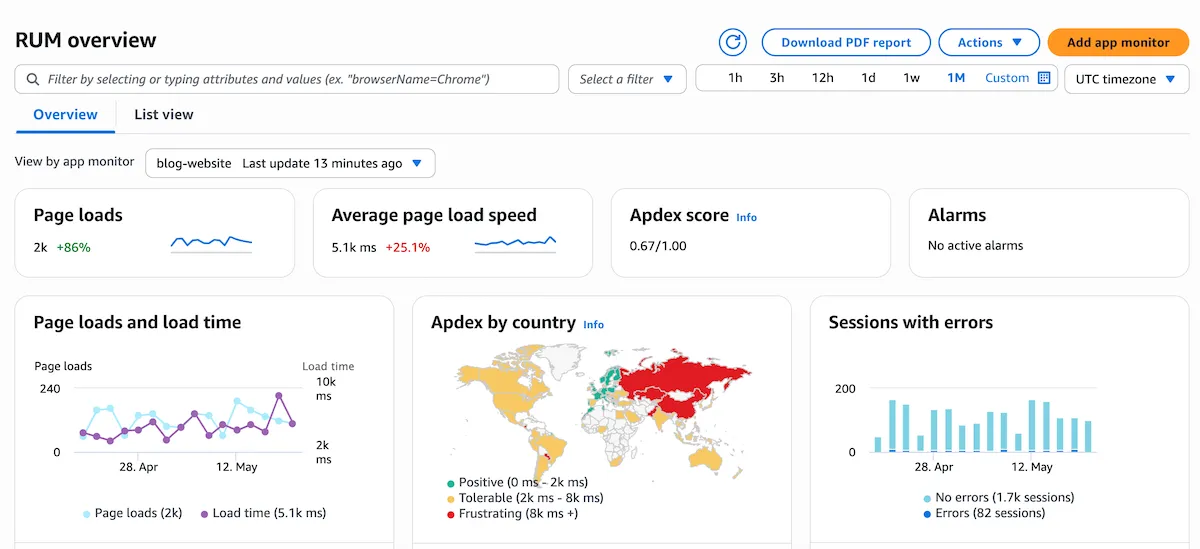
Amazon CloudWatch RUM provides real-time insights into web application performance, user interactions, and errors. This guide explains its features, setup, and best practices to optimize monitoring.

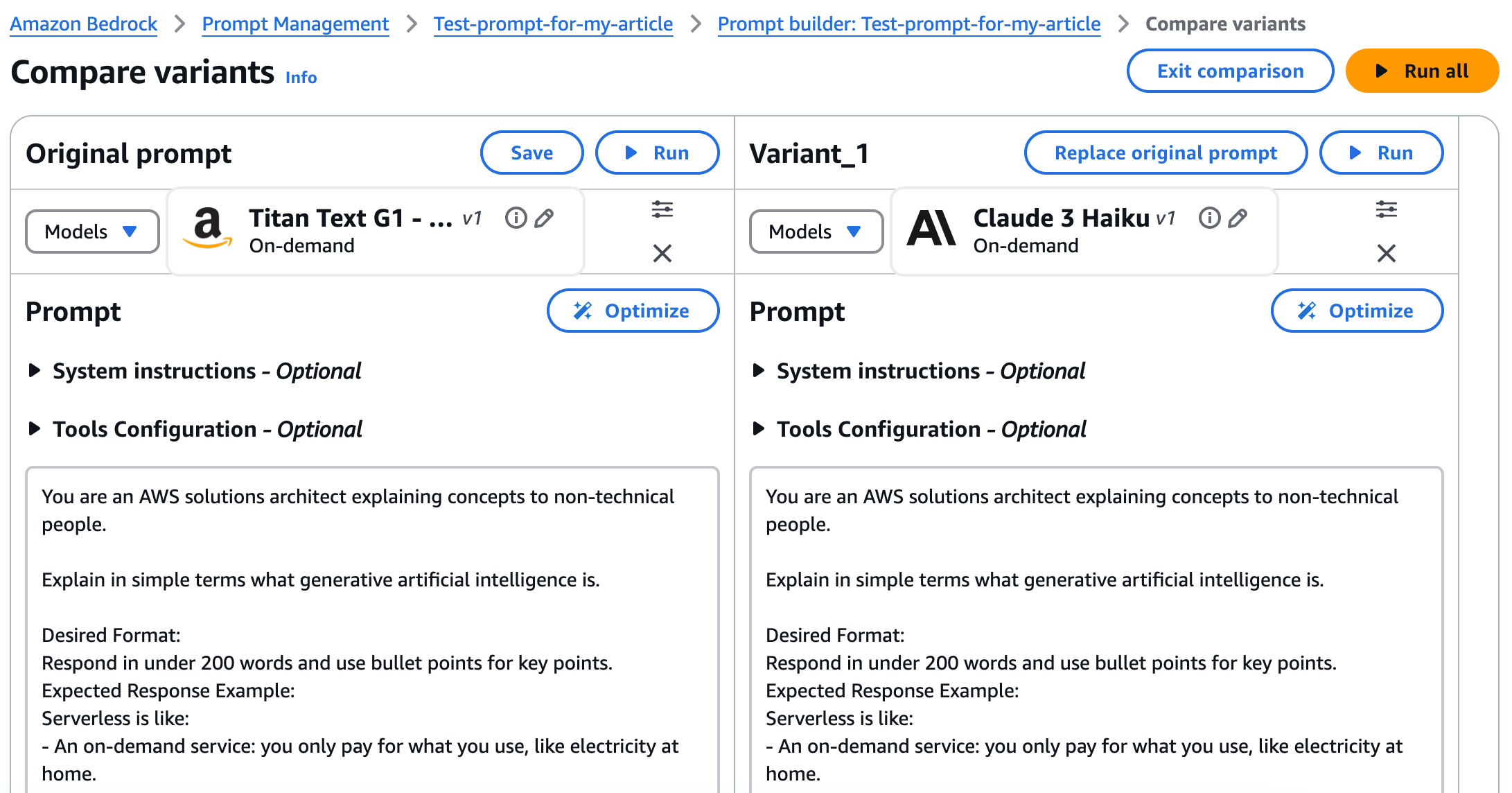
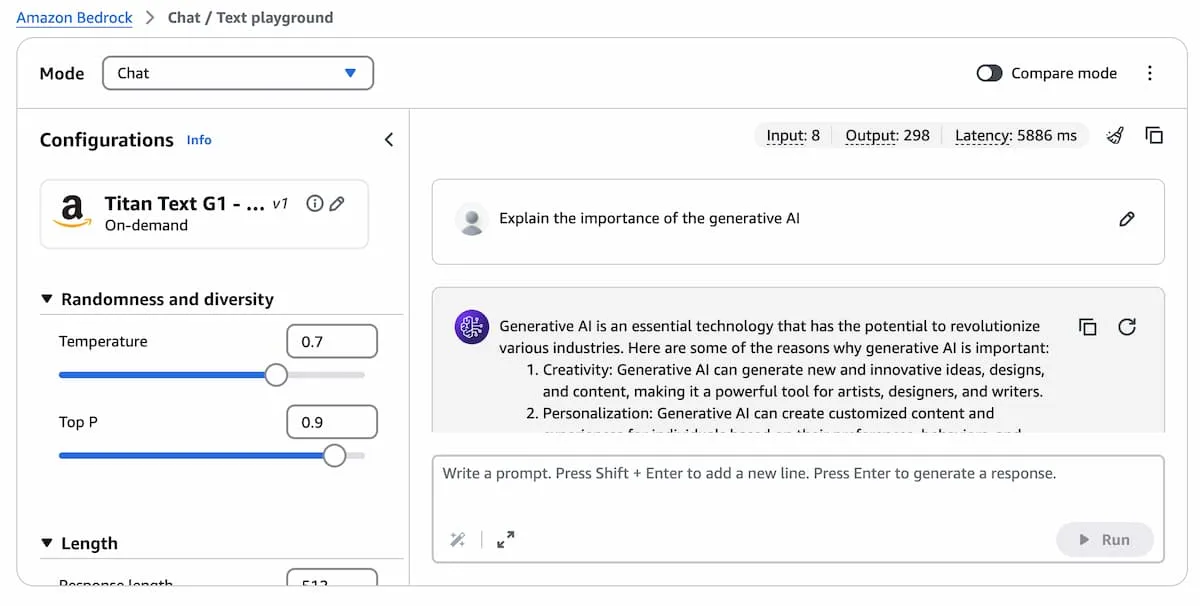
In this article we explore how to effectively manage prompts in Amazon Bedrock, covering key functionalities such as versioning, optimization and collaboration to enhance your AI-based projects.

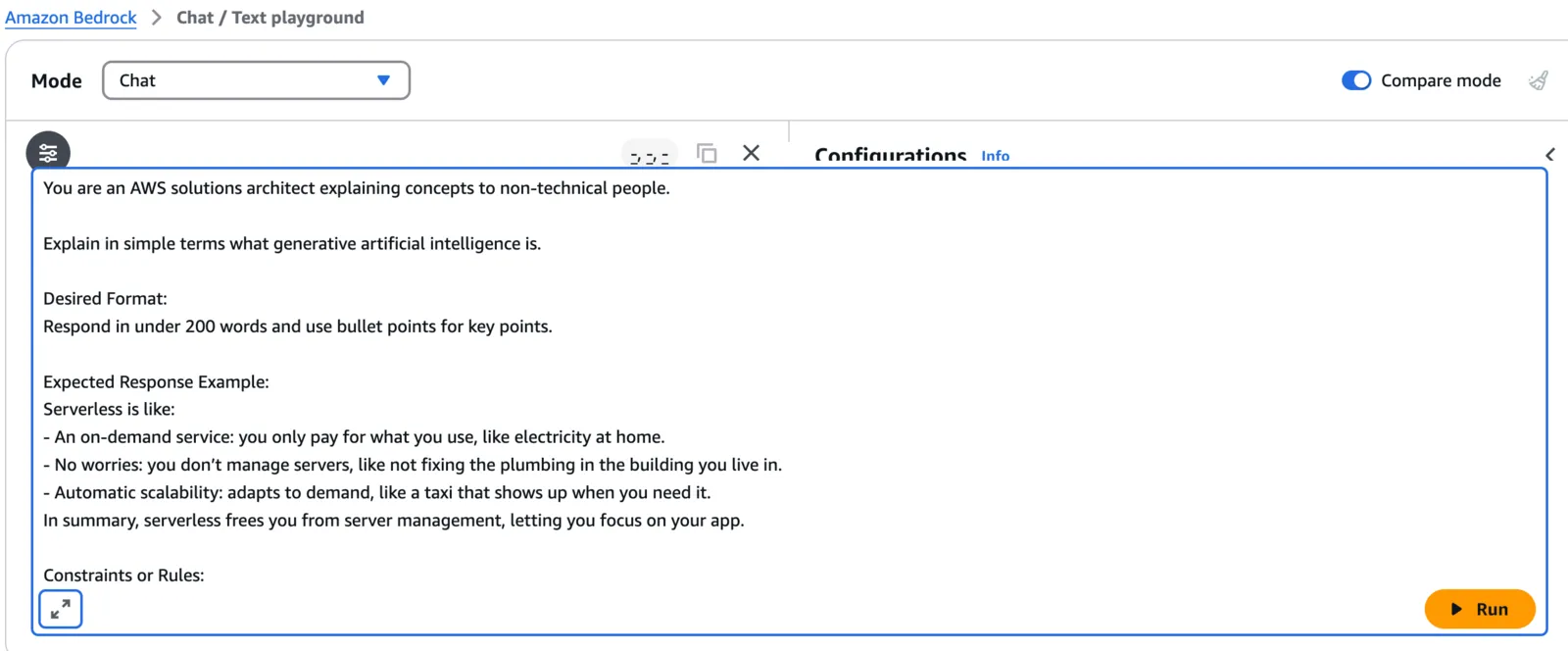
Discover how to design effective prompts in Amazon Bedrock to improve the quality of AI model responses. Learn how to structure your prompts, apply advanced techniques, and validate their effectiveness.

Discover how Amazon Bedrock simplifies access to AI foundation models, their use cases, advantages, and how to integrate them into applications to generate content, analyze data, and improve processes.

Explore AWS's generative AI offerings, including Amazon Q Developer, Amazon Bedrock, and Amazon SageMaker, through hands-on experiences and insights from AWS re:Invent 2024.

Amazon Q Developer is an advanced AI-powered tool designed to assist AWS developers. It offers seamless code suggestions, transformations, testing, and documentation directly in IDEs. This article demonstrates its practical applications while addressing security, privacy, and ease of use.

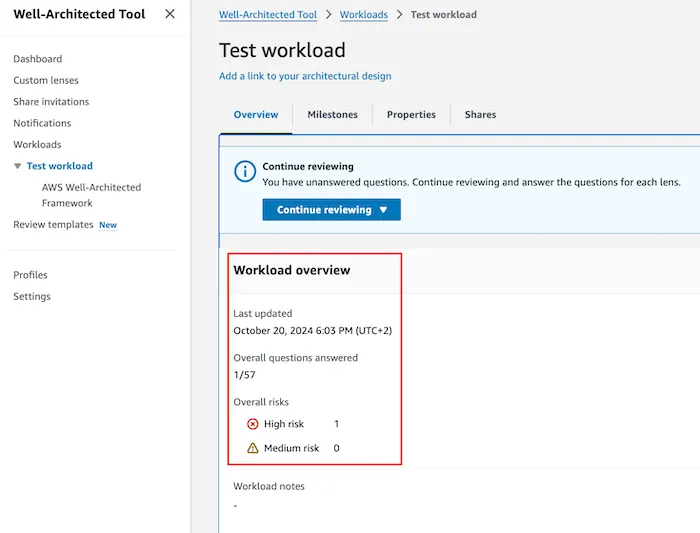
Practical guide to using the AWS Well-Architected Tool, explaining why assessments matter and covering how to assess, refine, and optimize cloud workloads, with detailed steps, recommendations, and tips for continuous improvement.

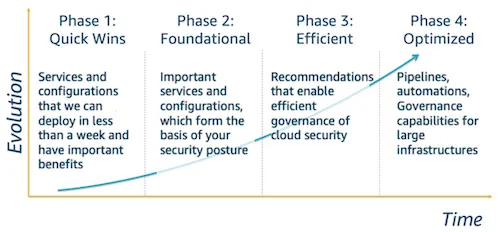
Discover actionable quick wins for each AWS Well-Architected Pillar, helping you optimize cloud performance, security, and cost-efficiency.

Explore a deep dive into the Six Pillars of the AWS Well-Architected Framework, with best practices, key services, and role-based responsibilities for building secure, resilient, and cost-efficient cloud systems, optimized for performance and sustainability.

Discover how different roles can apply the AWS Well-Architected Framework to improve the quality, reliability, security, and sustainability of cloud solutions.

This article provides a comprehensive introduction to the AWS Well-Architected Framework, explaining its core design principles and the six pillars. It demonstrates how cloud professionals can apply these best practices to build cloud architectures while driving continuous improvement.

Learn how to automate the deployment of AWS resources using Terraform and GitHub Actions in this step-by-step guide.

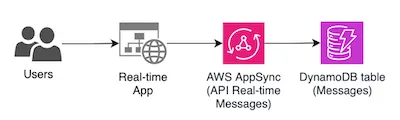
Learn how to build real-time applications with AWS AppSync and Subscriptions.

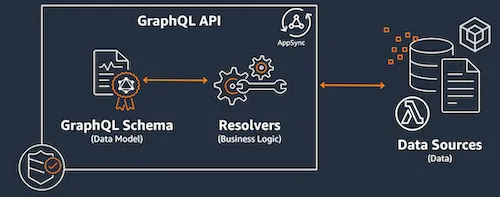
This article walks you through the fundamentals of AWS AppSync, guiding you through the process of setting up, developing, and deploying a GraphQL API.

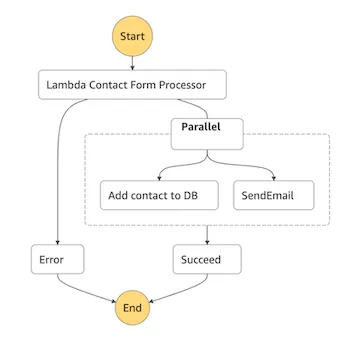
Explore how AWS Step Functions revolutionize cloud architecture, offering insights into creating efficient, scalable serverless workflows.

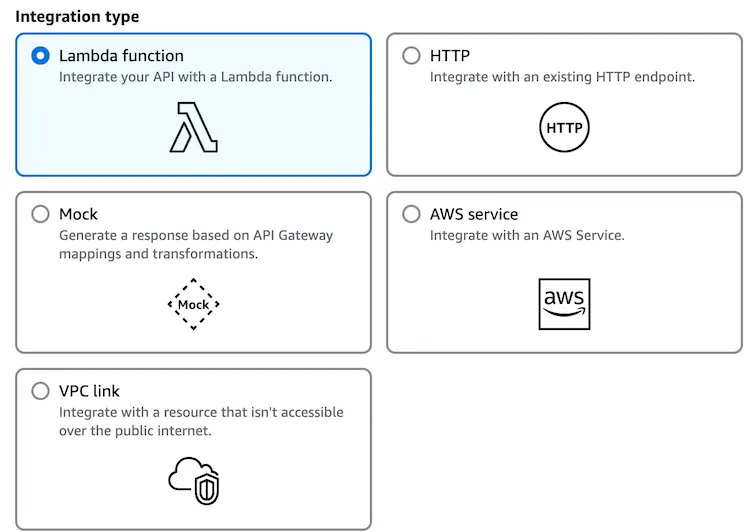
Explore Amazon API Gateway integrations, highlighting key advantages, performance, security, costs, and use cases to help developers optimize their serverless application architectures.

This guide explores Amazon API Gateway's endpoint exposure options, detailing their implementation, advantages, use cases, architectural impacts, limitations, troubleshooting, costs and more.
AWS Cloud9 is deprecated, affecting new customer access (effective July 25, 2024).

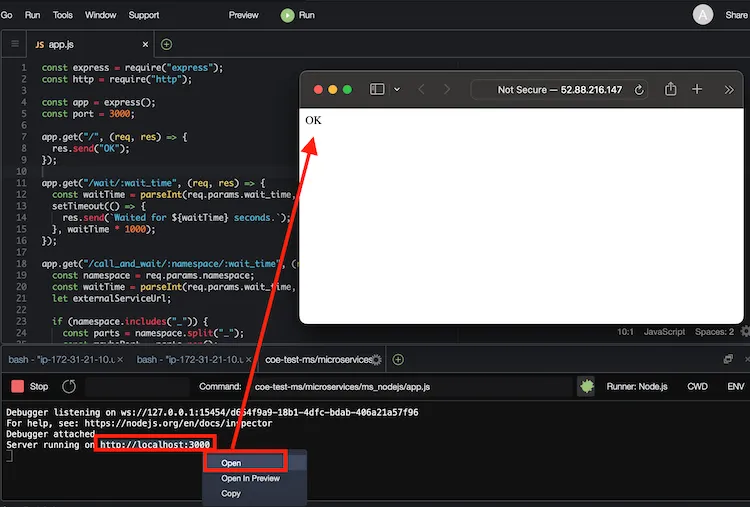
The guide provides a step-by-step walkthrough on setting up a Cloud9 environment, integrating with Git, and preparing Docker applications for testing, using two microservices (in Node.js and Python).
The AWS Certified Data Analytics Specialty has been retired by AWS.

Embark on a 30-day challenge and follow this ultimate guide to obtain the AWS Certified Data Analytics Specialty certification.

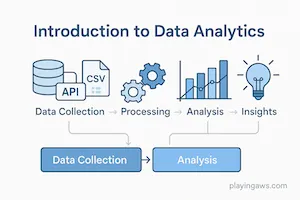
This article provides a comprehensive overview of data analytics, including its fundamentals, different types, and applications. If you are new to Data Analytics start here!

This guide outlines 10 crucial steps for conquering any AWS certification exam. Begin your journey to AWS mastery with confidence, knowing you are equipped with the necessary tools for success.
Learn how AWS WAF helps protect your web applications from malicious attacks with its agile protection, ease of deployment and maintenance, cost-effectiveness, and scalability.

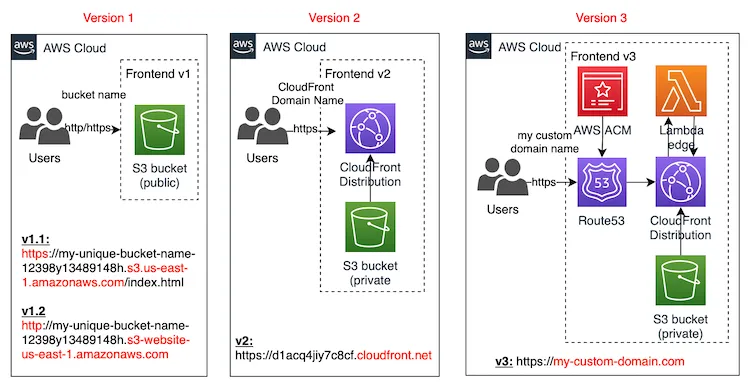
Terraform is the main open-source tool to create infrastructure as code (IaC) in any cloud provider. In this article, we will review how we can use it to deploy a serverless website on AWS, exploring different options.

This final article in a series explores open-source tools for AWS, covering IaC generation, code analysis, policy compliance, and cost estimation, offering a toolkit for developers.

This article is the second part of a series on open-source tools, focusing on tools for inventory, analysis and security assessment of the AWS environment.

First article about the open-source tools that can help you to manage your AWS accounts.

Want to know how AWS DeepRacer works? I tested it at re:Invent 2022 and tell you about my experience with this machine learning service.
Second article about the multi-account approach and specifically about AWS Control Tower where we will review all options.

This is the first article related to the multi-account approach, and the first thing to review is to know when and why I need a multi-account solution.
Amazon GuardDuty is one of the most important security services on AWS. This post contains everything you need to know about the service.
AWS Security Hub is one of the most important security services on AWS. This post contains everything you need to know about the service.

If you already have one or multiple AWS accounts and you want to improve your security approach you should read this article.

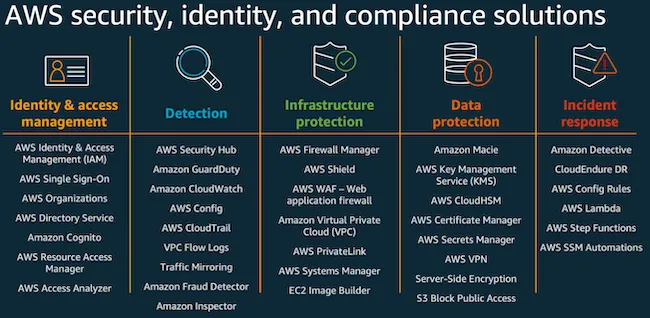
In AWS security is the TOP priority, but what do you know about security? How you can secure your AWS solutions? What are the basics and best practices that you need to know? Where to start?

CDK and SAM can be used together to create serverless applications. You will use CDK to define and create your AWS resources, and then you will use SAM to test your serverless resources.

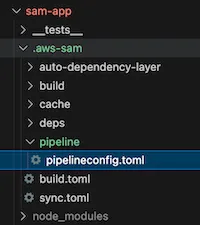
I will show you how you can deploy a SAM project with AWS CodePipeline using the pipeline integration included in the AWS SAM CLI.

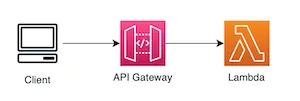
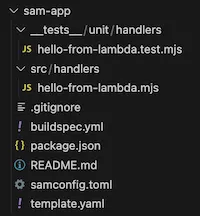
SAM (Serverless Application Model) is an open-source framework that you can use to build serverless applications on AWS and I will show you how it works.

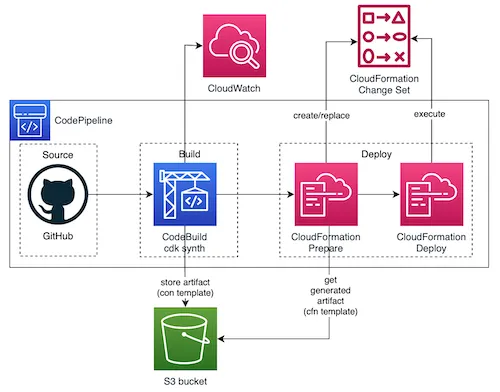
I will show you how you can deploy a CDK project using the Developer Tools of AWS, and a different approach to creating it with AWS console and with IaC.

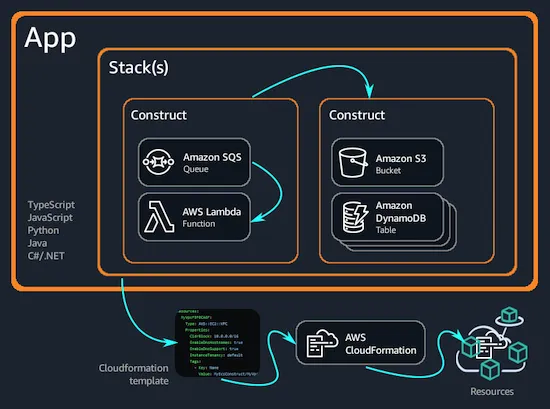
Do you want to know how CDK works and how to deploy it from scratch? I will explain to you how to do it.

I will explain to you all you need to know to deploy a web using AWS Amplify. I did it to deploy the first version of my blog, so I will use it as an example.

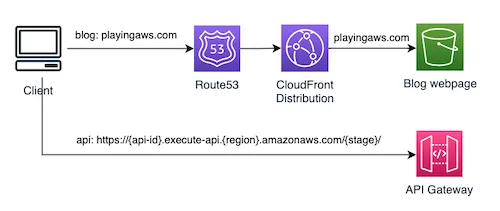
Before creating my blog and starting posting I did a lot of research comparing technologies, creating proofs of concept, and it took me weeks to figure out how to do it until I felt comfortable with the solution. Want to know more?